When the power goes out, a reliable home generator can make all the difference in preserving your comfort, your food, and your well-being. But with so many models and options on the market, how do you know which one is right for you?
In this guide, your local electricians at ANR Electric break down the key types of home generators, fuel sources, and sizing considerations so you can make an informed decision based on your home, budget, and lifestyle.

Is Home Generator Installation a Smart Investment?
Yes, home generator installation is a smart investment because reliable power is more than just a convenience. It’s about safety, food preservation, and maintaining essential home systems like sump pumps and HVAC.
A professionally installed home generator ensures your household stays running during power outages for year-round peace of mind. And working with experienced electricians in Akron, Ohio ensures your installation meets local code and delivers dependable results.
How Do You Choose the Right Generator for Your Home?
- Understand the Different Types of Home Generators
- Choose the Right Fuel Source
- Size Your Generator Based on What You Want to Power
- Factor in Installation and Maintenance
Step 1: Understand the Different Types of Home Generators
Before choosing a unit, you’ll need to understand the three primary types of generators and how each one serves different household needs:
- Portable Generators
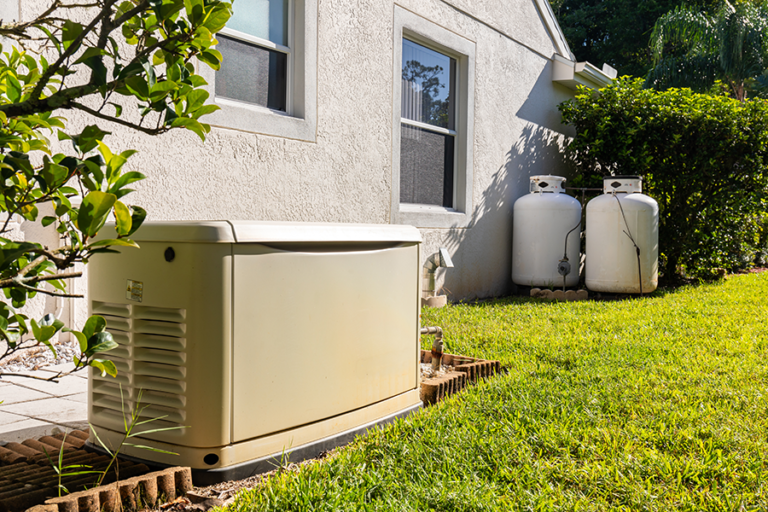
- Automatic Standby Generators
Portable Generators
- Best For: Occasional outages, smaller homes, or emergency-only use.
- How They Work: Typically powered by gasoline, these generators are manually started and must be connected to home circuits via extension cords or a transfer switch.
- Pros: Affordable, flexible use, no installation needed.
- Cons: No automatic startup, louder, requires manual refueling.
Automatic Standby Generators
- Best For: Whole-home backup, frequent outages, hands-off operation.
- How They Work: Permanently installed and connected directly to your electrical panel. These units detect outages and start automatically within seconds.
- Pros: Seamless transition during outages, powers entire home, no refueling.
- Cons: Higher upfront cost, requires professional installation.
Pro Tip: If you’re unsure whether you need a full-home solution or just essential circuit backup, a local electrician can help you weigh your options and avoid over- or under-sizing your investment.
Step 2: Choose the Right Fuel Source
Your generator’s fuel type will impact installation logistics, cost, and long-term maintenance. Most residential systems use either natural gas or propane, though diesel and gasoline are also available for certain models.
Natural Gas
- Continuous fuel supply (if your home is already connected).
- Cleaner-burning and low-maintenance.
- Requires a gas line hookup, which may increase installation cost.
Propane
- Stored on-site in a tank.
- Burns clean and stores well long-term.
- Requires fuel monitoring and periodic refilling.
Which Is Better?
- Natural gas is typically more cost-effective if already available at your property.
- Propane works well in rural or off-grid homes that lack access to municipal gas lines.
Step 3: Size Your Generator Based on What You Want to Power
One of the most important decisions is determining how much power you actually need. Generator capacity is measured in watts. Here’s how to think about it:
- Whole-Home Power (14kW+)
- Essential Circuits Only (8kW–14kW)
Whole-Home Power (14kW+)
- Powers HVAC, kitchen appliances, sump pump, lights, and more.
- Ideal for families who want full functionality during outages.
Essential Circuits Only (8kW–14kW)
- Powers basics like the refrigerator, lights, furnace fan, and garage door opener.
- More budget-friendly while still protecting key systems.
Not sure what size you need? Start by listing essential appliances and their wattage, or ask a residential electrical services provider for a home energy audit.
Step 4: Factor in Installation and Maintenance
Proper home generator installation is critical for safety, performance, and warranty coverage. A professional electrical services company will:
- Assess your power needs and fuel availability.
- Integrate the generator safely into your electrical system.
- Set up your transfer switch or automatic controls.
In addition, professional maintenance keeps your generator in peak condition with services like oil changes, load testing, and firmware updates.
Final Thoughts: Choose a Partner You Can Trust
A home generator is a long-term investment in your safety and comfort. Working with a local electrician experienced in home generator installation ensures the right fit for your home and peace-of-mind every time the lights go out.
If you’re considering a generator, ANR Electric offers expert advice, custom installation, and ongoing support you can count on. From helping you compare fuel types to handling every detail of your residential electrical services, we’re here to power your peace of mind.
Interested in protecting your home with a generator that fits your life and budget? Contact ANR Electric now to schedule your personalized consultation.