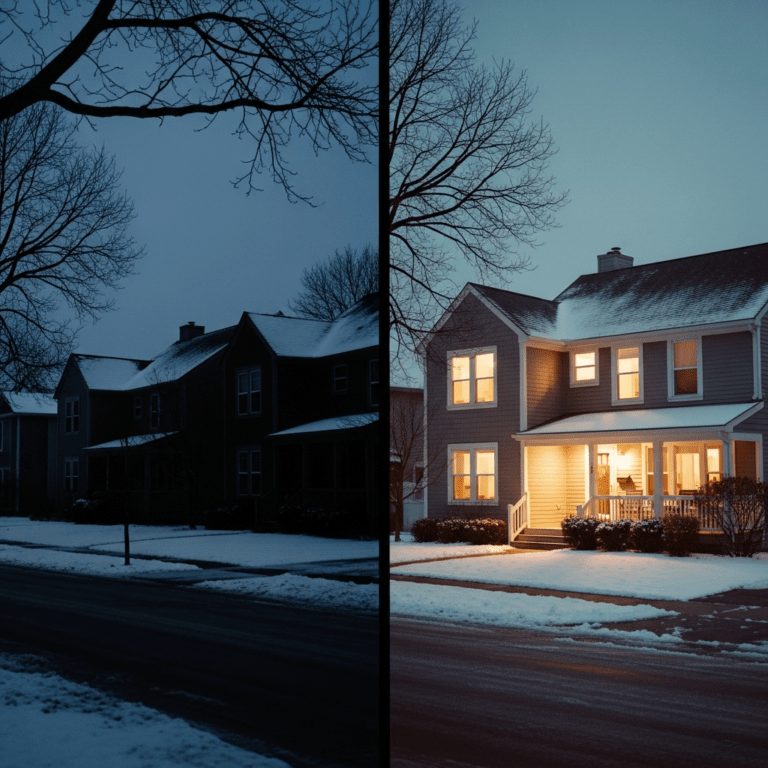
Power outages in Northeast Ohio aren’t just inconvenient—they can be dangerous. From winter ice storms that leave thousands without electricity for days to summer thunderstorms that knock out power unexpectedly, Akron-area homeowners need reliable backup power solutions. A professional whole home generator installation provides automatic backup power the moment utility service fails, keeping your family safe and comfortable no matter what Mother Nature throws your way.
Why Northeast Ohio Homeowners Need a Backup Generator Installation
Unpredictable Weather Creates Frequent Outages
Northeast Ohio experiences some of the most variable weather in the country:
Winter storms: Heavy snow, ice accumulation, and high winds regularly damage power lines and transformers. The January 2014 ice storm left tens of thousands of FirstEnergy customers without power, some for more than a week.
Summer thunderstorms: Severe thunderstorms with high winds and lightning cause sudden, unexpected outages throughout spring and summer.
Seasonal transitions: Spring and fall storms can be particularly unpredictable, bringing combinations of wind, rain, and even early or late-season snow.
Modern Life Requires Reliable Power
Unlike decades past, today’s homes depend on electricity for essentials:
- Heating and cooling systems (including furnace blowers and central air conditioning)
- Refrigerators and freezers storing hundreds of dollars worth of food
- Sump pumps preventing basement flooding
- Medical equipment like CPAP machines, oxygen concentrators, or refrigerated medications
- Home security systems
- Well pumps for homes on private water systems
- Internet and communication devices
- Home offices and remote work equipment
Losing power for even a few hours can mean spoiled food, a flooded basement, or dangerous temperatures. Extended outages can force families to evacuate their homes or face serious health and safety risks.
How Whole Home Generators Work
A whole home standby generator is a permanently installed backup power system that operates automatically when utility power fails.
The Basic System Components
The Generator: This is the big box that sits outside your home (looks kind of like a central A/C unit). It’s the part that actually makes electricity when the power goes out.
Automatic Transfer Switch: Think of this as the “brain” of the system. It watches your power 24/7. The second it notices the power went out, it tells the generator to start and switches your home over to generator power. When regular power comes back, it switches you back. You never have to touch anything.
Fuel Source: The generator runs on either natural gas (same gas line that feeds your furnace or stove) or propane (from a tank like you’d use for a grill, but much bigger).
How It Works in a Power Outage
- A storm knocks out utility power to your neighborhood
- Within 10-30 seconds, the transfer switch detects the outage
- The generator automatically starts and reaches full power
- The transfer switch connects your home to the generator
- Your lights, appliances, heating, and cooling systems resume operation
- The generator continues running until utility power is restored
- When utility power returns, the transfer switch automatically switches back
- The generator runs for a few minutes to cool down, then shuts off
The entire process is automatic—you don’t lift a finger. You might not even know the power went out if you’re asleep.
Determining the Right Generator Size for Your Akron Home
Choosing the correct generator size is crucial. Too small, and it won’t power all your essential systems. Too large, and you’ll pay for capacity you don’t need.
Common Residential Generator Sizes
13kW Generators:
- Suitable for: Smaller homes (under 2,000 square feet), homes with gas appliances, minimal A/C needs
- Can typically power: Essential lights, refrigerator, furnace, some outlets, garage door opener
- Best for: Budget-conscious homeowners prioritizing essentials
16-18kW Generators:
- Suitable for: Average homes (2,000-2,500 square feet) with some electric appliances
- Can typically power: Essentials plus most of one air conditioning unit, more outlets and lights
- Best for: Most single-family homes with moderate power needs
20-22kW Generators:
- Suitable for: Larger homes (2,500-3,500 square feet) or homes with electric heat/water heater
- Can typically power: Whole-home comfort, multiple A/C zones, electric dryer, most appliances
- Best for: Families wanting near-complete home functionality during outages
24kW and Larger:
- Suitable for: Large homes (over 3,500 square feet), homes with extensive electric systems, multi-zone HVAC
- Can typically power: Essentially everything in your home simultaneously
- Best for: Larger properties or homes with heavy electrical demands
Factors That Affect Sizing
Square Footage: Larger homes generally need more power for lighting, outlets, and climate control.
Type of Heating System:
- Gas furnaces: Relatively low electrical draw (primarily for the blower fan)
- Electric heat pumps: Significant electrical draw requiring larger generators
- Electric baseboard heat: Very high electrical draw, may require the largest generators
Air Conditioning:
- Central A/C: Higher power requirements, especially during startup
- Multiple zones: Each zone requires additional capacity
- Window units: Lower individual power draw
Electric vs. Gas Appliances:
- Electric water heaters: Heavy power draw
- Electric ranges/ovens: Significant power requirements
- Electric dryers: High power consumption
- Gas versions of these appliances dramatically reduce generator size requirements
Special Equipment:
- Well pumps
- Pool or hot tub pumps
- Home workshop tools
- Medical equipment
- Large home office setups
- EV charging stations
The Load Calculation Process
Here’s how a professional figures out what size generator you need:
- They make a list of everything you want to keep running during an outage
- They figure out how much power each thing uses
- They account for the extra power some things need when they first start up (like air conditioners)
- They add it all up
- They add a safety buffer (usually 20%) so you’re not running at maximum all the time
- They recommend the right generator size
Never just guess at what size you need. Get a professional assessment. Buying too small means things won’t work during an outage. Buying too big means you wasted money.
Installation Costs: What to Expect
The total cost of a whole home generator system includes the generator itself, the automatic transfer switch, installation labor, and site preparation.
Equipment Costs
Generator Units:
- 13kW: $3,500 to $4,500
- 16-18kW: $4,500 to $5,500
- 20-22kW: $5,000 to $7,000
- 24kW and up: $7,000 to $10,000+
Automatic Transfer Switch:
- 100-amp: $600 to $800
- 200-amp: $800 to $1,200
- 400-amp: $1,200 to $1,800
Installation Labor Costs in Northeast Ohio
Professional installation typically costs $2,500 to $5,000, depending on:
Site Preparation:
- Concrete pad or gravel base: $300 to $800
- Distance from gas line or propane tank
- Accessibility for equipment and workers
- Landscaping work required
Electrical Work:
- Transfer switch installation
- Connection to electrical panel
- Wiring from generator to switch
- Any necessary panel upgrades
Gas or Propane Connection:
- Natural gas line extension: $500 to $1,500
- Propane tank installation: $1,000 to $3,000 (if not already present)
Permits and Inspections:
- Permit fees: $100 to $500 (varies by municipality)
- Electrical inspection: Usually included in permit fee
Total Investment Range
Entry-level system (13kW): $6,500 to $9,000 installed
Mid-range system (20kW): $9,000 to $13,000 installed
High-capacity system (24kW+): $13,000 to $18,000+ installed
These figures assume a straightforward installation with existing natural gas service. Propane installations or complex site conditions may increase costs.
Natural Gas vs. Propane: Choosing Your Fuel Source
Natural Gas Advantages
Convenience: Taps into your existing gas line—no separate fuel storage needed
Unlimited supply: As long as gas utilities are operating, your fuel supply is unlimited
Lower installation cost: No tank installation required if you already have natural gas service
Cleaner burning: Produces fewer emissions than propane
Natural Gas Considerations
Not available everywhere: Rural Akron-area homes may not have natural gas service
Utility-dependent: If gas service fails during a disaster, your generator can’t run
Lower energy density: Propane contains more energy per volume, providing slightly better performance
Propane Advantages
Available anywhere: Doesn’t require utility connections
Higher energy density: Slightly better generator performance
Long storage life: Propane doesn’t degrade over time like gasoline
Independent system: Not dependent on utility infrastructure
Propane Considerations
Tank required: Must install and maintain a propane tank (usually 250-500 gallons for whole-home generators)
Tank installation cost: $1,000 to $3,000 for tank and installation
Requires refilling: Need to monitor fuel levels and schedule refills
Space requirements: Tank must meet setback requirements from structures
Which Is Right for You?
Choose natural gas if:
- You already have natural gas service
- You want the simplest, most convenient solution
- Lower upfront cost is a priority
- You live in an urban or suburban area
Choose propane if:
- Natural gas isn’t available at your property
- You want complete independence from utilities
- You’re in a rural area
- You already have propane for other purposes
Operating and Maintaining Your Generator
Whole home generators are designed for reliability, but they do require basic maintenance.
Automatic Exercise Cycles
Most generators are programmed to run briefly each week (usually 10-20 minutes) to:
- Ensure the unit starts properly
- Circulate oil and maintain engine health
- Verify all systems function correctly
- Alert you to any problems before you need the generator
You’ll hear your generator start briefly each week—this is normal and necessary.
Annual Professional Maintenance
Plan for annual service by a qualified technician, typically costing $150 to $300. This includes:
- Oil and filter change
- Air filter replacement
- Spark plug inspection/replacement
- Battery check and charging system test
- Visual inspection for leaks or damage
- Review of exercise run records
- Software updates if applicable
Homeowner Responsibilities
Monthly:
- Listen to the exercise cycle to confirm it’s running
- Visually inspect the unit for debris or damage
- Keep the area around the generator clear
As Needed:
- Remove snow, leaves, or debris from around the unit
- Ensure air vents are clear
- Listen for unusual sounds
Fuel Maintenance
Natural Gas: Essentially maintenance-free from a homeowner perspective
Propane:
- Monitor tank level (many propane companies offer automatic delivery)
- Keep at least 30% full at all times
- Schedule refills before winter storm season
Special Considerations for Northeast Ohio Installations
Cold Weather Performance
Quality generators are designed to start and operate in cold weather, but considerations include:
Battery maintenance: Cold temperatures reduce battery capacity. Annual maintenance includes battery testing.
Exercise cycles: More important in winter to keep oil circulating and battery charged
Clearances: Snow must be kept clear from air intakes and exhausts
Block heater option: Some generators offer optional engine block heaters for extremely cold climates
Local Code Requirements
Generator installations must meet local codes in Akron and Summit County:
Setback requirements: Typically 5-10 feet from windows, doors, and property lines (varies by municipality)
Sound restrictions: Some areas have noise ordinances limiting generator placement
Fuel storage: Propane tanks must meet specific setback requirements
Permits: Always required for standby generator installations
Your licensed electrician will ensure compliance with all local requirements.
FirstEnergy Service Area Considerations
As a FirstEnergy customer in Northeast Ohio, you should know:
Utility notification: In some cases, utilities want notification of generator installations
Transfer switch requirement: Prevents generator power from backfeeding into utility lines (dangerous for line workers)
Coordination: Professional installation ensures proper utility integration
Return on Investment and Home Value
While generators represent a significant investment, they provide both tangible and intangible returns.
Immediate Benefits
Peace of mind: Knowing your family is protected during outages
Food preservation: One multi-day outage losing refrigerator and freezer contents can cost $500 to $1,000
Prevented water damage: Single sump pump failure can cause $10,000+ in water damage
Comfort and safety: Maintain heating in winter, cooling in summer
Medical necessity: Essential for homes with medical equipment
Long-Term Value
Home resale value: Generators typically add $5,000 to $10,000 to home values
Insurance considerations: Some insurance companies offer discounts for homes with backup power
Avoided costs: Preventing even one major loss (food, water damage, frozen pipes) can justify the investment
Professional Generator Installation in Akron and Northeast Ohio
At ANR Electric, we’ve been providing expert home generator installation services to Akron, Summit County, and Northeast Ohio since 2011. Our licensed electricians have the experience and expertise to design and install the perfect backup power solution for your home.
We offer:
- Professional load calculations to determine exact generator size
- Expert installation of Generac, Kohler, Cummins, and other quality brands
- Complete electrical and transfer switch installation
- Coordination with gas utilities for natural gas connections
- Concrete pad preparation and site work
- Permit acquisition and inspection coordination
- Full training on operation and maintenance
- Ongoing service and maintenance plans
- Comprehensive residential electrical services for all your needs
Don’t wait for the next major storm to wish you had backup power. With unpredictable Northeast Ohio weather, a whole home generator is one of the smartest investments you can make in your family’s safety and comfort.
Contact ANR Electric today at (330) 644-4454 or request a consultation online to discuss your backup power needs.
Frequently Asked Questions About Whole Home Generators
How loud are whole home generators?
Modern generators are surprisingly quiet—about as loud as a central air conditioner running (around 60-70 decibels from 20 feet away). You’ll hear it when it’s running, but it shouldn’t disturb conversations or sleep inside your home. Your neighbors might hear it, but it’s not typically a nuisance. Some models are quieter than others, so if noise is a concern, ask about the specific decibel rating.
Do I need to do anything when the power goes out?
Nope! That’s the beauty of a whole home generator. The transfer switch detects the outage and starts the generator automatically. You literally don’t have to do anything. You might notice your lights flicker for 10-30 seconds during the switchover, but that’s it. When power comes back, it switches back automatically too.
What’s the difference between natural gas and propane generators?
They’re essentially the same generator—just connected to different fuel sources. Natural gas taps into your existing gas line (convenient, unlimited fuel, but you need to already have gas service). Propane requires a tank on your property (works anywhere, independent of utilities, but you need to monitor the tank level and refill it). Both fuels work great; it’s really about what’s available and convenient for your property.
How long can a generator run continuously?
Most whole home generators can run continuously for weeks as long as they have fuel. If you have natural gas, that’s essentially unlimited. If you have propane, it depends on your tank size and how much power you’re using. A typical 500-gallon propane tank can run a 20kW generator for about 6-8 days of continuous use. The generator itself is designed for extended run times.
Do generators require a lot of maintenance?
Not really. The generator runs itself for 10-20 minutes once a week automatically to keep everything working properly (you’ll hear this). Then you need professional maintenance once a year—basically an oil change and inspection, costing around $150-$300. That’s it. Keep the area around it clear of snow and leaves, and it’ll run for 20-30 years.
Will a generator power my entire house?
It depends on the size you get. A 13kW generator will power your essentials. A 20-22kW generator will power most of your home normally. A 24kW or larger can run everything simultaneously—you might not even notice the power is out. Your electrician will help you figure out exactly what size you need based on what you want to power.
How much does it cost to run a generator during an outage?
With natural gas, expect roughly $20-$40 per day depending on your generator size and how much you’re actually using. With propane, it’s similar but depends on current propane prices. A typical multi-day power outage might cost $100-$200 in fuel. Compare that to: spoiled food ($500+), frozen pipes (thousands in damage), or having to stay in a hotel.
Can I install a generator myself to save money?
No—this isn’t a DIY project. Generator installation requires professional electrical work, gas line connections, concrete pad preparation, permits, and inspections. Plus, improper installation can be extremely dangerous (electrical hazards, carbon monoxide risks, fire hazards) and will void your warranty. Always hire a licensed electrician for generator installation.
How close to my house can the generator be installed?
This varies by local code, but typically generators must be 5-10 feet from windows, doors, and air intakes. They also need clearance from property lines (usually 5+ feet). Your installer will know the specific requirements for your municipality and will handle all the code compliance.
Do generators work in extreme cold?
Yes! Quality generators are designed to start and run in cold weather, even below zero. They have cold-weather protection features. The automatic weekly exercise cycles help keep everything working properly in winter. Some models even offer optional battery warmers for extreme cold climates.
Generator Quick Reference Guide
Sizing Guidelines by Home Type
Under 2,000 sq ft with gas appliances: 13-16kW
2,000-2,500 sq ft, gas heat: 16-20kW
2,500-3,500 sq ft, gas heat: 20-22kW
Any size with electric heat/water heater: Add 2-4kW
Over 3,500 sq ft: 24kW+
Typical Installation Timeline
- Initial consultation: 1-2 hours
- Permit processing: 1-2 weeks
- Site preparation: 1-2 days
- Installation: 1-2 days
- Inspection and testing: 1 day
- Total: 2-4 weeks from start to finish
Maintenance Schedule
- Weekly: Automatic exercise cycle (generator self-tests)
- Monthly: Visual inspection by homeowner
- Annually: Professional maintenance ($150-$300)
- As needed: Keep area clear of snow and debris
Cost Range Summary
- 13kW system: $6,500 to $9,000 installed
- 20kW system: $9,000 to $13,000 installed
- 24kW+ system: $13,000 to $18,000+ installed
Preparing for extended power outages requires more than just a generator. For comprehensive emergency preparedness tips including building an emergency kit, creating a family communication plan, and protecting your home during power outages, visit FEMA’s Power Outage Preparedness Guide at Ready.gov.
This article provides general information about whole home generator installation. Every home’s situation is unique and requires professional assessment to determine the appropriate generator size and installation requirements. ANR Electric serves Akron, Canton, Cuyahoga Falls, Hudson, Stow, and surrounding communities throughout Northeast Ohio.