You’ve cleaned, staged, and priced your Akron home perfectly. Then the home inspection comes back with a list of electrical problems, and suddenly your buyers are either walking away or demanding thousands off the asking price. Sound familiar?
Electrical issues are among the most common—and most serious—problems flagged during home inspections in Northeast Ohio. Unlike cosmetic issues buyers might overlook, electrical problems raise safety concerns that lenders often won’t ignore. Many mortgage companies won’t approve loans until certain electrical hazards are addressed.
The good news? Most electrical issues found during inspections can be fixed quickly and affordably if you know what to expect. Even better, addressing these problems before listing your home can prevent negotiations from falling apart and help you get your asking price.
Here are the seven electrical red flags that home inspectors consistently cite in Akron-area homes—and what you need to do about them.
1. Most Common Electrical Issues: Outdated or Undersized Electrical Panel
What Inspectors Look For:
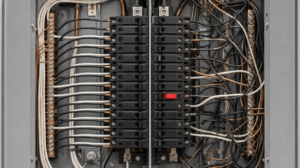
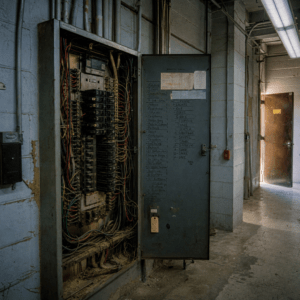
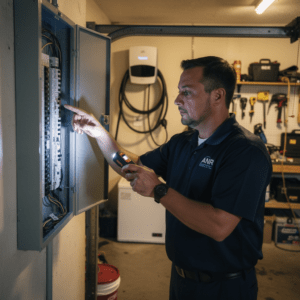
Home inspectors check your electrical panel for age, capacity, and condition. If your Akron home still has a 60-amp or 100-amp panel, it will likely be flagged—especially if the home has been updated with central air conditioning, modern appliances, or other electrical upgrades.
Why This Kills Sales:
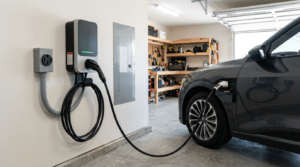
Buyers know an outdated panel means they can’t safely add anything new. Want to install an electric vehicle charger? Can’t do it. Planning to finish the basement? Not without a panel upgrade first. Lenders also see undersized panels as safety risks and may require upgrades before closing.
Common Panel Issues Inspectors Flag:
- 60-amp or 100-amp service in homes over 1,500 square feet
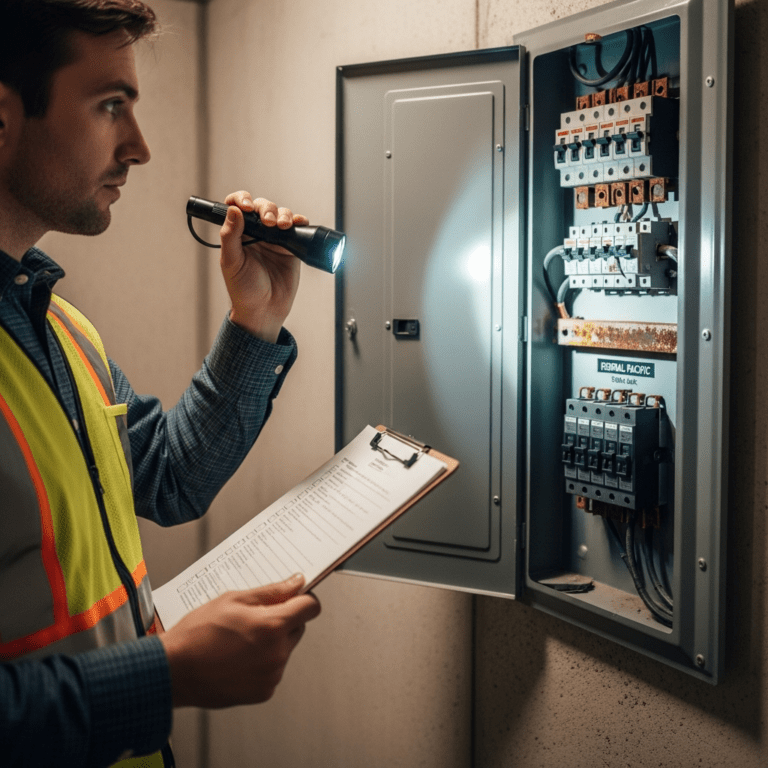
- Federal Pacific or Zinsco panels (known fire hazards)
- Rust or corrosion on the panel
- Double-tapped breakers (two wires under one breaker)
- Missing panel cover or damaged panel box
- Breakers that don’t match the panel brand
The Fix:
Upgrading your electrical panel from 100-amp to 200-amp service typically costs $1,500 to $4,000 in the Akron area and takes 1-2 days. This is one of those fixes you should absolutely do before listing—it’s a major selling point and removes a huge negotiation obstacle.
Timeline: Schedule 2-3 weeks before your listing date (includes permit processing)
2. Missing or Insufficient GFCI Protection
What Inspectors Look For:
Every home inspector checks for GFCI (Ground Fault Circuit Interrupter) outlets in areas where water and electricity might meet: kitchens, bathrooms, garages, basements, and outdoor areas.
Since Ohio adopted the 2023 National Electrical Code in April 2024, requirements have expanded significantly. Inspectors now flag homes lacking GFCI protection in ALL kitchen outlets (not just near the sink), all bathroom outlets, laundry rooms, and any outlet within 6 feet of a water source.
Why This Kills Sales:
GFCI protection is a safety requirement, not a suggestion. Buyers see missing GFCIs as a sign of deferred maintenance, and lenders may require installation before approving the mortgage. It also signals to buyers that other electrical work might not be up to code.
Common GFCI Issues Inspectors Flag:
- No GFCI outlets in bathrooms
- Kitchen outlets without GFCI protection
- Outdoor outlets with no GFCI
- Garage outlets lacking GFCI
- Basement outlets near utility sinks without GFCI
- Non-functioning GFCI outlets (won’t trip when tested)
The Fix:
GFCI outlet installation is relatively affordable—usually $100 to $200 per outlet including labor. If you have 5-10 locations needing GFCI protection, expect to spend $500 to $1,500 total. The work can typically be completed in one day.
Pro Tip: Test your existing GFCI outlets before the inspection. If they don’t trip when you press the TEST button, they’ve failed and need replacement.
Timeline: Can be completed in 1 day; schedule the week before listing
3. Aluminum Wiring (Homes Built 1965-1973)
What Inspectors Look For:
If your Akron home was built between 1965 and 1973, inspectors will specifically check for aluminum branch circuit wiring. They look at exposed wiring in the attic, basement, and electrical panel for “AL” or “ALUMINUM” markings on the cables.
Why This Kills Sales:
Aluminum wiring is a deal-killer. The U.S. Consumer Product Safety Commission reports that homes with aluminum wiring are 55 times more likely to have fire hazard conditions than copper-wired homes. Insurance companies often refuse coverage or charge significantly higher premiums. Lenders may require remediation before approving the loan.
Common Aluminum Wiring Issues Inspectors Flag:
- Presence of aluminum wiring without approved remediation
- Outlets and switches not rated for aluminum (no CO/ALR markings)
- Warm outlet covers or switch plates
- Signs of overheating or discoloration at connections
- Flickering lights throughout the home
The Fix:
You have three options:
- Complete rewiring: $8,000-$15,000 (most comprehensive but expensive)
- COPALUM connectors: $70-$150 per connection point (permanent repair, CPSC-approved)
- AlumiConn connectors: $40-$80 per connection point (more affordable, CPSC-approved)
Most homes have 30-100 connection points. COPALUM or AlumiConn remediation for a typical home runs $3,000 to $8,000.
Reality Check: Some sellers try to sell “as-is” with aluminum wiring, but expect significant price reductions. Addressing it before listing typically recovers more value.
Timeline: Schedule 4-6 weeks before listing (finding certified COPALUM installers takes time)
4. Knob-and-Tube Wiring or Cloth-Insulated Wiring
What Inspectors Look For:
In older Akron homes (pre-1950), inspectors look for knob-and-tube wiring or cloth-insulated wiring in attics, basements, and wall cavities. Even if it’s not actively being used, its presence will be noted.
Why This Kills Sales:
Like aluminum wiring, knob-and-tube wiring is an insurance and lending nightmare. Many insurance companies flat-out refuse to insure homes with knob-and-tube wiring. It wasn’t designed to handle modern electrical loads and poses serious fire risks.
Common Knob-and-Tube Issues Inspectors Flag:
- Active knob-and-tube wiring still in use
- Knob-and-tube covered by insulation (overheating hazard)
- Modified or spliced knob-and-tube connections
- Mix of knob-and-tube and modern wiring on same circuits
- Deteriorated cloth insulation on wiring
The Fix:
Complete rewiring is the only real solution. For a typical older Akron home, expect $8,000 to $20,000 depending on home size and accessibility. Homes with finished walls cost more than homes with accessible attics and basements.
Alternative: If only portions of the home have knob-and-tube, targeted rewiring of affected areas may be possible for $3,000 to $8,000.
Timeline: Schedule 4-8 weeks before listing (major project, requires permits and inspections)
5. Improper or Unsafe Wiring Practices
What Inspectors Look For:
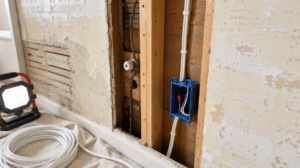
Inspectors look for DIY electrical work, code violations, and unsafe wiring practices throughout the home. This is especially common in homes where homeowners have done their own renovations.
Why This Kills Sales:
Unsafe wiring screams “amateur work” and makes buyers wonder what else was done incorrectly. Lenders see code violations as risks they won’t approve. Even minor violations can derail a sale.
Common Wiring Issues Inspectors Flag:
- Open junction boxes (no cover plates)
- Wires spliced with electrical tape instead of wire nuts in junction boxes
- Romex cable run on surface of walls (should be inside walls)
- Missing outlet or switch cover plates
- Three-prong outlets on two-wire (ungrounded) circuits
- Extension cords used as permanent wiring
- Light fixtures with exposed wiring
- Overloaded circuits (too many outlets on one breaker)
- Improperly sized wire for circuit amperage
- Wiring in contact with insulation or wood
The Fix:
Cost varies widely depending on the number and severity of violations. Simple fixes like adding cover plates and junction box covers: $100-$300. Correcting serious wiring violations: $500-$2,000+. Full remediation of extensive DIY electrical work: $2,000-$5,000+.
Pro Tip: Walk through your home before listing and look for missing cover plates, visible splices, or extension cords being used permanently. These are easy fixes that prevent red flags.
Timeline: Minor fixes: 1 day. Major corrections: 1-2 weeks
6. Insufficient or Non-Functional Outlets
What Inspectors Look For:
Inspectors check that rooms have adequate outlets and that all outlets function properly. They test outlets with outlet testers to verify proper grounding and wiring.
Why This Kills Sales:
While not always a safety issue, insufficient outlets signal an outdated electrical system. Buyers envision living with extension cords and power strips everywhere—not an appealing prospect.
Common Outlet Issues Inspectors Flag:
- Bedrooms, living rooms with outlets more than 12 feet apart
- Dead outlets that don’t work
- Loose outlets that pull out of the wall
- Two-prong ungrounded outlets (especially in kitchens and bathrooms)
- Reverse polarity (hot and neutral wires swapped)
- Open ground (three-prong outlet on ungrounded circuit)
- Outlets missing in areas code requires them (like bathrooms)
- Outdoor outlets without weather-resistant covers
The Fix:
Adding new outlets: $150-$300 per outlet (includes wiring and installation). Repairing dead outlets: $75-$150 per outlet. Replacing two-prong with three-prong outlets: $100-$200 per outlet if grounding exists; $200-$400 if grounding wire needs to be run.
Replacing all two-prong outlets in a typical home: $1,000-$3,000.
Timeline: 1-2 days for most outlet work
7. Outdoor and Exterior Electrical Hazards
What Inspectors Look For:
Inspectors thoroughly check outdoor electrical components: outlets, lights, wiring, and connections to detached structures like garages or sheds.
Why This Kills Sales:
Outdoor electrical problems are often visible during buyer walkthroughs, not just inspections. Water and electricity don’t mix, and outdoor electrical issues pose obvious safety risks that buyers won’t overlook.
Common Exterior Issues Inspectors Flag:
- Outdoor outlets without GFCI protection
- Outdoor outlets without weather-resistant “in-use” covers
- Service mast (where power enters the home) pulling away from house
- Exposed or damaged wiring on exterior walls
- Light fixtures with water inside or rusty components
- Landscape lighting with exposed connections
- Pool or hot tub electrical not properly bonded or GFCI-protected
- Detached garage wiring not properly installed
- Overhead service lines too close to trees or structures
- Missing or damaged weatherhead (top of service mast)
The Fix:
Outdoor outlet GFCI installation: $150-$250 per outlet. Weather-resistant covers: $20-$50 per outlet. Service mast repair: $300-$800. Landscape lighting corrections: $200-$600. Pool/hot tub electrical corrections: $500-$2,000.
Timeline: 1-2 days for most exterior electrical work
What Home Inspectors DON’T Check (But Buyers Notice)
While inspectors focus on safety and code compliance, buyers notice other electrical issues:
- Outdated light fixtures and ceiling fans – Won’t kill the sale, but outdated fixtures scream “1980s” and hurt your home’s appeal
- Insufficient lighting – Dark rooms photograph poorly and feel smaller
- No USB outlets – Modern buyers expect these in bedrooms and kitchens
- Lack of outdoor lighting – Security and curb appeal issue
- No dedicated circuits for major appliances – Buyers planning kitchen upgrades want dedicated circuits
These won’t appear in the inspection report, but they affect your sale price and how quickly your home sells.
Strategic Approach: When to Fix Electrical Issues
Before Listing (Highly Recommended):
- Electrical panel upgrades
- GFCI outlet installation
- Aluminum or knob-and-tube wiring remediation
- Major code violations
- Obvious safety hazards
Why: These issues will definitely be flagged. Fixing them before listing lets you market your home as “move-in ready,” prevents low-ball offers, and avoids delays during closing.
After Inspection (If Necessary):
- Minor wiring corrections
- Additional outlet installations
- Cosmetic electrical updates
- Non-critical code violations
Why: You can negotiate repairs with the buyer and only fix what they actually request.
Never Wait on These:
- Federal Pacific or Zinsco panels
- Active knob-and-tube wiring
- Aluminum wiring without remediation
- Major safety hazards
These are sale-killers. You’ll lose more in price negotiations than you’d spend on repairs.
How Much Does Pre-Inspection Electrical Work Cost?
Here’s what most Akron sellers spend on pre-listing electrical updates:
Minimal Updates (Basic Safety): $500-$1,500
- GFCI outlet installation
- Missing cover plates
- Minor repairs
Standard Updates (Most Homes): $2,000-$5,000
- GFCI outlets throughout
- Panel updates or repairs
- Outlet additions
- Minor code violations corrected
Major Updates (Older Homes): $5,000-$15,000+
- Electrical panel upgrade
- Aluminum wiring remediation
- Extensive code violation corrections
- Service upgrade
Is it worth it? Absolutely. Homes with known electrical issues sell for 5-15% less than comparable homes or sit on the market significantly longer. A $3,000 electrical update can preserve $10,000-$20,000 in sale price.
The Smart Seller’s Pre-Listing Electrical Checklist
Before you list your Akron home, check these items:
Electrical Panel:
- [ ] Panel is 200-amp (or at least 100-amp for smaller homes)
- [ ] No Federal Pacific or Zinsco panels
- [ ] Panel cover is intact with no rust or damage
- [ ] All breakers are properly sized and labeled
- [ ] No double-tapped breakers
GFCI Protection:
- [ ] All kitchen outlets are GFCI-protected
- [ ] All bathroom outlets have GFCI protection
- [ ] Garage outlets are GFCI-protected
- [ ] All outdoor outlets have GFCI and weather-resistant covers
- [ ] Basement outlets near sinks have GFCI protection
- [ ] All GFCIs trip when tested
Outlets and Switches:
- [ ] All outlets and switches have cover plates
- [ ] No loose or damaged outlets
- [ ] All outlets work when tested
- [ ] Three-prong outlets are properly grounded
- [ ] Adequate outlets in each room (no more than 12 feet apart)
Wiring:
- [ ] No visible aluminum or knob-and-tube wiring
- [ ] No exposed wiring or open junction boxes
- [ ] No extension cords used as permanent wiring
- [ ] Wiring in attic/basement appears in good condition
Exterior:
- [ ] Outdoor outlets have weather-resistant covers and GFCI
- [ ] Service mast is secure and in good condition
- [ ] Outdoor light fixtures work and are weather-tight
- [ ] No exposed wiring on exterior walls
If you checked “no” to any of these items, schedule repairs before listing.
Getting Pre-Listing Electrical Work Done Right
Timeline: Start electrical work 4-6 weeks before your planned listing date. This allows time for:
- Initial assessment
- Permit applications and approvals
- Scheduled work
- Inspections
- Any unexpected issues
Choosing an Electrician:
Work with a licensed electrician who:
- Is familiar with Akron and Summit County permit requirements
- Can complete work quickly (you’re on a timeline)
- Provides documentation for the listing
- Offers warranties on work performed
- Understands what home inspectors look for
Documentation Matters:
Keep all receipts, permits, and inspection certificates. Include this documentation with your listing materials. Buyers and their lenders want proof that electrical work was done properly by licensed professionals.
Professional Pre-Listing Electrical Services in Akron
At ANR Electric, we’ve been helping Akron homeowners prepare their properties for sale since 2011. We understand exactly what home inspectors look for and what buyers expect.
Our Pre-Listing Electrical Services Include:
- Comprehensive pre-inspection electrical assessments
- Fast-tracked electrical panel upgrades
- GFCI outlet installation throughout your home
- Aluminum wiring remediation
- Code violation corrections
- Complete residential electrical repairs and updates
- Documentation for listing agents and buyers
- Coordination with your real estate timeline
We Work on Your Schedule:
Selling a home is stressful enough. We offer:
- Same-week assessments for urgent listings
- Flexible scheduling around showings
- Fast permitting through our relationships with local building departments
- Clean, professional work that’s ready to show
- Detailed documentation for your listing
Don’t let electrical issues derail your home sale. A small investment in electrical updates now can preserve thousands in your sale price and prevent weeks of delays during closing.
Contact ANR Electric today at (330) 644-4454 or request a pre-listing assessment online.
Key Takeaways: Home Inspection Electrical Issues
✅ Electrical panel problems are the #1 issue – Undersized or outdated panels will be flagged on every inspection
✅ GFCI protection is non-negotiable – Ohio’s 2024 codes require GFCIs in more locations than ever before
✅ Aluminum and knob-and-tube wiring kill deals – These require professional remediation before most buyers will proceed
✅ DIY electrical work backfires – Improper wiring practices are red flags that make buyers question everything
✅ Fix before listing, not after – Pre-listing electrical updates preserve your asking price and prevent negotiation headaches
✅ Budget $2,000-$5,000 for most homes – This covers typical GFCI installation, minor panel work, and code corrections
✅ Start 4-6 weeks before listing – Electrical work requires permits, inspections, and scheduling time
✅ Documentation matters – Keep all receipts and permits to show buyers work was done professionally
✅ Minor issues matter too – Missing cover plates and dead outlets signal neglect to buyers
✅ Know your home’s age – Homes built 1965-1973 likely have aluminum wiring; pre-1950 homes may have knob-and-tube
Frequently Asked Questions About Home Inspection Electrical Issues
What electrical issues will fail a home inspection?
Home inspections don’t technically “pass” or “fail,” but certain electrical issues will cause lenders to require repairs before approving a mortgage: Federal Pacific or Zinsco panels, active knob-and-tube wiring, aluminum wiring without remediation, open junction boxes, major code violations, and missing GFCI protection in required locations. Buyers can also walk away from deals over serious electrical safety concerns.
Should I fix electrical issues before or after the home inspection?
Fix major electrical issues before listing. Electrical panel upgrades, GFCI installation, and aluminum wiring remediation should be done pre-listing. These issues will definitely be flagged, and fixing them beforehand lets you market your home properly and avoid price negotiations. Minor issues like adding outlets or replacing cover plates can wait until after inspection if needed.
How much do electrical repairs cost after a home inspection?
Typical post-inspection electrical repairs in Akron range from $500 (minor GFCI and outlet work) to $5,000+ (panel upgrades or major code corrections). Most sellers spend $1,500-$3,000 on negotiated electrical repairs. However, major issues like aluminum wiring remediation ($3,000-$8,000) or complete rewiring ($8,000-$20,000) will cost significantly more and often kill deals if not addressed before listing.
Can I sell my house with electrical problems?
Yes, but expect lower offers and longer time on market. Some buyers look for “fixer-uppers,” but most want move-in ready homes. Lenders may refuse to finance homes with serious electrical hazards like Federal Pacific panels, active knob-and-tube wiring, or unaddressed aluminum wiring. Selling “as-is” with electrical problems typically costs you 10-20% of your home’s value compared to making repairs.
What do home inspectors look for in an electrical panel?
Inspectors check the panel’s capacity (60, 100, or 200 amps), brand (Federal Pacific and Zinsco are red flags), condition (rust, damage, corrosion), proper installation (no double-tapped breakers, correct breaker sizes), and whether it’s adequate for the home’s size and electrical load. They also verify the panel is properly labeled, has a secure cover, and shows no signs of overheating or previous electrical problems.
How long does it take to fix electrical issues for a home sale?
Minor electrical repairs (GFCI outlets, cover plates, simple fixes) take 1-2 days. Electrical panel upgrades require 2-3 weeks including permitting. Aluminum wiring remediation takes 3-6 weeks due to scheduling certified installers. Complete rewiring for knob-and-tube takes 4-8 weeks. Start electrical work at least 4-6 weeks before your planned listing date to ensure everything is completed and inspected.
Do I need permits for pre-sale electrical work?
Yes, most electrical work requires permits in Akron and Summit County. Electrical panel upgrades, new circuits, major repairs, and service upgrades all require permits. Even some outlet additions and GFCI installations may require permits depending on the scope of work. Licensed electricians handle permit applications and inspections. Never skip permits—unpermitted work will be flagged during the home inspection and must be corrected.
Will updating my electrical system increase my home’s value?
Electrical updates don’t typically increase value above market rate, but they prevent value loss. A home with a modern 200-amp panel, proper GFCI protection, and up-to-code wiring sells at market value. The same home with a 60-amp Federal Pacific panel and no GFCIs sells for 10-20% below market or doesn’t sell at all. Think of electrical updates as protecting your investment, not adding value.
What’s the difference between an electrical inspection and a home inspection?
A home inspection includes a basic electrical check as part of the overall property inspection. A dedicated electrical inspection by a licensed electrician is more thorough, identifying code violations and potential problems a general home inspector might miss. Consider getting a pre-listing electrical inspection before putting your home on the market—it costs $150-$300 but reveals issues you can fix before the buyer’s inspector finds them.
Can I negotiate electrical repairs with the buyer instead of fixing them?
Yes, but it’s risky. Buyers typically ask for 1.5-2x what repairs actually cost, or they request price reductions equal to the worst-case repair scenario. A $2,000 electrical repair might result in a $4,000 price reduction request. You also risk buyers walking away entirely if electrical issues seem extensive. For major issues, fix before listing. For minor issues discovered during inspection, negotiation is reasonable.
Additional Resources
For more information about home inspection standards and what inspectors evaluate, visit the International Association of Certified Home Inspectors (InterNACHI), which sets professional standards for home inspection practices nationwide.
This article provides general information about electrical issues commonly found during home inspections. Every home’s situation is unique and requires professional assessment by a licensed electrician. ANR Electric serves Akron, Canton, Cuyahoga Falls, Hudson, Stow, and surrounding communities throughout Northeast Ohio.