If your Akron-area home was built between 1965 and 1973, there’s a significant chance it contains aluminum branch circuit wiring. While this might not sound alarming at first, the U.S. Consumer Product Safety Commission (CPSC) reports that homes with this type of aluminum wiring are 55 times more likely to experience fire hazard conditions than homes wired with copper. Understanding whether your home has aluminum wiring—and what to do about it—could literally save your life.
Why Was Aluminum Wiring Used in Homes?
During the mid-1960s through the early 1970s, the United States was deeply involved in the Vietnam War, and copper prices skyrocketed due to military demand. Faced with expensive copper costs, home builders turned to aluminum as a cost-effective alternative for residential electrical wiring.
Aluminum seemed like a logical choice at the time:
- It was significantly less expensive than copper
- It was lighter in weight, making installation easier
- It was abundant and readily available
- A pound of aluminum could conduct the same amount of electricity as two pounds of copper
Between 1965 and 1973, approximately two million homes in North America were wired with single-strand aluminum branch circuit wiring. Many of these homes are still standing today throughout Northeast Ohio, particularly in neighborhoods that experienced growth during this period.
The Problem with Aluminum Wiring
What builders didn’t realize back then was that aluminum has some quirks that make it dangerous for household wiring. Here are the main problems:
Aluminum Moves More Than Copper
Think about what happens when you heat up metal—it expands. Then when it cools down, it shrinks back. Every time you turn on a light or use an appliance, electricity heats up the wires. When you turn things off, they cool down.
The problem? Aluminum expands and shrinks a LOT more than copper does. Over years of heating and cooling thousands of times, aluminum wires work themselves loose from their connections. Loose connections create heat. Heat can create fires.
Aluminum Is Soft and Easy to Damage
Aluminum wire is much softer than copper. During the original installation—or if anyone worked on your electrical system later—it was easy to accidentally nick or crush the wire. Even a small nick can create a hot spot that eventually causes a fire.
Aluminum Gets a Bad Coating
When aluminum is exposed to air, it develops a coating called aluminum oxide. Here’s the problem: this coating doesn’t conduct electricity well. So over time, your connections get worse and worse, creating more heat and more fire risk.
Copper also develops a coating (that green stuff you sometimes see), but copper’s coating still conducts electricity fine. Aluminum’s doesn’t.
The Wrong Type of Aluminum Was Used
To make things worse, the specific type of aluminum used from 1965-1972 wasn’t even designed for home wiring. It was designed for power lines, which is a totally different use case. This aluminum had a problem called “cold creep”—basically, it would slowly deform and loosen connections over time, even if everything was installed perfectly.
How to Tell If Your Home Has Aluminum Wiring
Check When Your Home Was Built
The first clue is your home’s age. Homes built or renovated between 1965 and 1973 are most likely to have aluminum wiring. Homes built before 1965 or after the mid-1970s are unlikely to have it in branch circuits (though they may have aluminum in the main service entrance cables, which is generally safe).
Look at the Wire Markings
You can physically inspect your wiring in a few accessible locations:
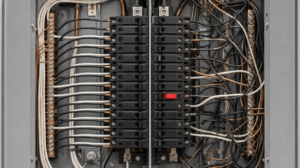
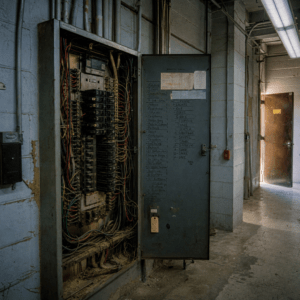
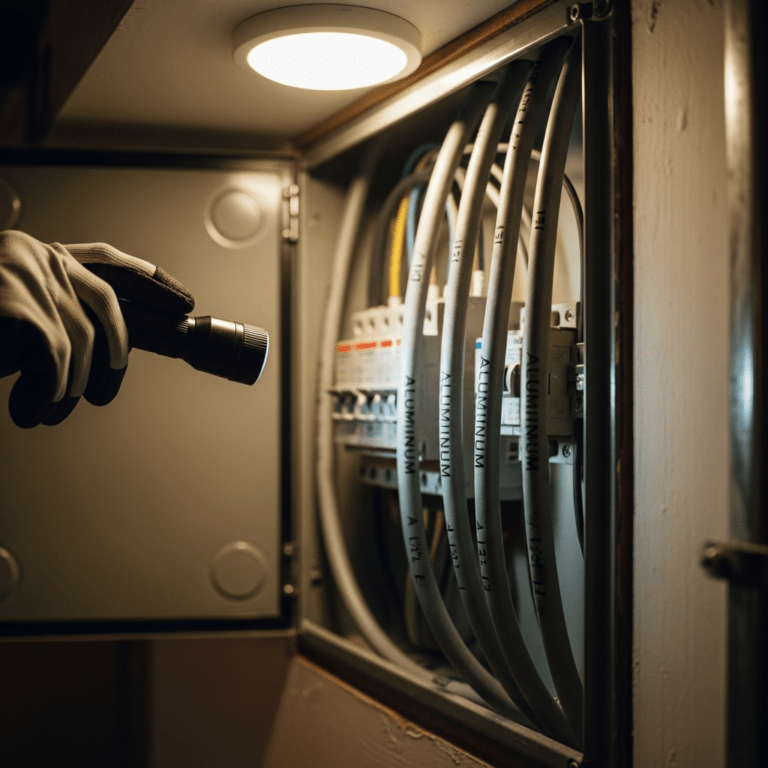
At your electrical panel: Turn off the main breaker (or call a licensed electrician to check for you—this is safer). Look at the wires connected to the circuit breakers. Aluminum wire will be marked with “AL,” “ALUM,” or “ALUMINUM” on the outer cable sheath.
In your attic or basement: If you have exposed wiring in unfinished areas, look for the cable markings. Aluminum wire will clearly indicate “AL” or “ALUMINUM.”
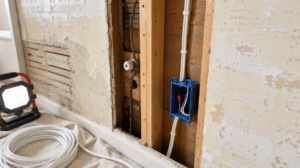
At outlets or switches: If you’re comfortable doing so (with power turned off!), you can remove an outlet or switch cover plate and look at the wire connections. Aluminum wire will have a dull, silver-gray color, while copper wire is reddish-brown or orangish.
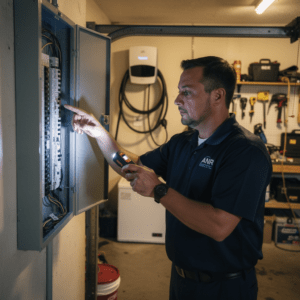
Important safety note: If you’re not experienced with electrical work, hire a licensed electrician to inspect your wiring. Working inside electrical boxes can be dangerous.
Check for Outlet and Switch Markings
Another clue is the rating on your outlets and switches. Look for marks that say “CO/ALR,” “CU-AL,” or “AL-CU.” These designations indicate devices rated for use with aluminum wire. However, the presence of these devices doesn’t guarantee your home is safe—many homes with aluminum wiring have standard devices that aren’t rated for aluminum, which compounds the hazard.
Warning Signs of Aluminum Wiring Problems
Even if you’re not sure whether your home has aluminum wiring, certain warning signs indicate potential problems that require immediate professional attention:
Flickering or Dimming Lights
If lights flicker when you use appliances or when the heating/cooling system turns on, this could indicate poor connections in aluminum wiring.
Warm or Hot Outlet Cover Plates or Switch Plates
Touch your outlet covers and switch plates (with the back of your hand for safety). If they feel warm or hot, this is a serious warning sign of overheating connections.
Burning Smell or Discoloration
Any smell of burning plastic or signs of discoloration (brown or black marks) around outlets or switches is an emergency. Turn off power to that circuit immediately and call a licensed electrician.
Sparking or Buzzing Sounds
If you see sparks when plugging something in, or hear buzzing sounds from outlets, switches, or the electrical panel, this indicates dangerous arcing that can start a fire.
Circuit Breakers Tripping Frequently
While this can have multiple causes, frequent tripping combined with other signs may indicate aluminum wiring problems.
Outlets or Switches That Don’t Work
Dead outlets or switches can indicate connection failures—a common problem with aluminum wiring.
If you notice any of these warning signs, have your electrical system inspected by a licensed electrician immediately, even if you’re not certain your home has aluminum wiring.
Insurance and Real Estate Implications
Aluminum wiring creates challenges beyond safety concerns:
Home Insurance
Many insurance companies either:
- Refuse to insure homes with aluminum wiring
- Charge significantly higher premiums
- Require remediation as a condition of coverage
- Require regular inspections by certified electricians
If you’re having difficulty obtaining homeowner’s insurance or notice your rates are unusually high, aluminum wiring could be the reason.
Home Sales
When selling a home with aluminum wiring:
- It will be flagged during the home inspection
- Buyers may request remediation before closing
- Buyers may demand a price reduction
- Some buyers may walk away from the deal entirely
- Lenders may have additional requirements
Many real estate professionals recommend addressing aluminum wiring before listing a home to avoid complications during the sale process.
Remediation Options: Three Approved Methods
The CPSC recognizes three methods for addressing aluminum wiring hazards. Each has different costs, benefits, and limitations:
Option 1: Complete Rewiring with Copper
What it involves: Removing all aluminum branch circuit wiring and replacing it with copper throughout your home.
Benefits:
- Permanently eliminates all aluminum wiring hazards
- Increases home value
- Simplifies insurance and home sales
- Meets all modern electrical codes
- Provides peace of mind
Drawbacks:
- Most expensive option, typically $8,000 to $15,000 for an average-sized home
- Most disruptive to daily life
- May require opening walls and ceilings
- Takes longer to complete (days to weeks, depending on home size)
Best for: Homeowners planning major renovations anyway, homes where aluminum wiring is severely degraded, or when selling a home where buyers demand complete rewiring.
Option 2: COPALUM Crimp Connectors
What it involves: A specialized crimping tool applies 10,000 pounds of pressure to create a permanent cold-weld connection between copper and aluminum wires at every connection point.
How it works: A short copper “pigtail” wire is attached to each aluminum wire using the COPALUM connector. The copper wire then connects to the outlet, switch, or fixture, eliminating the aluminum-to-device connection problems.
Benefits:
- Considered the safest repair method by the CPSC
- Creates a permanent, reliable connection
- Less disruptive than complete rewiring
- Addresses connection point failures without removing aluminum wire
- Accepted by most insurance companies
Drawbacks:
- Must be installed by certified COPALUM technicians (not all electricians are certified)
- Special crimping tool is expensive and available only through rental from the manufacturer
- Can be difficult to find certified installers in some areas
- Costs vary widely depending on location and number of connections
- More expensive than AlumiConn but less than complete rewiring
Best for: Homeowners who want a permanent CPSC-recommended solution but can’t afford or don’t want complete rewiring.
Option 3: AlumiConn Connectors
What it involves: A newer connector system that uses precisely torqued set screws to connect copper pigtails to aluminum wires.
How it works: Similar to COPALUM, short copper wires are attached to aluminum wires at connection points using AlumiConn connectors. These connectors don’t require special crimping tools—any licensed electrician can install them with proper training and torque specifications.
Benefits:
- More affordable than COPALUM or complete rewiring
- Can be installed by any licensed electrician (no special certification required)
- Approved by the CPSC as an acceptable alternative
- Less disruptive than rewiring
- Accepted by many (though not all) insurance companies
Drawbacks:
- Not considered quite as permanent as COPALUM cold-welding
- Requires precise torque specifications for safety
- Some insurance companies prefer COPALUM
- Still requires accessing every connection point in the home
Best for: Homeowners looking for a cost-effective solution, situations where COPALUM installers aren’t available, or when insurance companies accept this method.
What About CO/ALR Devices?
You may hear about replacing standard outlets and switches with “CO/ALR” rated devices designed for use with aluminum wire. While the National Electrical Code allows this, the CPSC does not consider this a permanent repair method.
CO/ALR devices can reduce some risks, but they don’t address problems within the aluminum wire itself or prevent oxidation and cold creep. They’re generally considered a temporary measure at best.
The Importance of Professional Assessment
Never attempt to repair aluminum wiring yourself. This is not a DIY project. Working with electricity is dangerous, and aluminum wiring repairs require specific expertise and tools.
A licensed electrician experienced with aluminum wiring can:
- Verify whether your home has aluminum wiring
- Assess the condition of the wiring and connections
- Identify immediate safety hazards
- Recommend the most appropriate remediation method for your situation and budget
- Provide documentation for insurance purposes
- Complete repairs safely and to code
Some electricians specialize in aluminum wiring remediation—ask about their experience when calling for quotes.
Cost Considerations
Here are typical cost ranges for aluminum wiring remediation in the Akron and Northeast Ohio area:
Complete Rewiring: $8,000 to $15,000 for an average-sized home (costs vary based on home size, accessibility, and complexity)
COPALUM Connector Installation: $70 to $150 per connection point (homes typically have 30-100 connection points)
AlumiConn Connector Installation: $40 to $80 per connection point
While these costs may seem high, consider:
- The potential cost of a house fire (including loss of life or property)
- Increased home value
- Reduced insurance costs
- Improved safety and peace of mind
- Smoother home sales process
Many electricians offer payment plans or financing options for major projects like aluminum wiring remediation.
Special Considerations for Northeast Ohio Homes
Historic Neighborhoods
Many Akron-area neighborhoods experienced significant growth during the 1960s and early 1970s, including areas like Firestone Park, Ellet, and parts of Cuyahoga Falls. If you own a home in these neighborhoods built during this period, aluminum wiring is likely.
Climate Factors
Northeast Ohio’s temperature extremes can exacerbate aluminum wiring problems. The expansion and contraction cycle caused by our cold winters and warm summers can accelerate connection loosening.
Older Home Additions
Even if your original home predates aluminum wiring, additions or renovations completed between 1965-1973 may have aluminum wiring while the rest of the house has copper. This creates mixed wiring situations that require careful evaluation.
Taking Action
If you suspect or know your home has aluminum wiring:
- Schedule a professional inspection immediately if you notice any warning signs
- Don’t wait for an emergency—aluminum wiring problems can develop without obvious warning
- Get multiple quotes from licensed electricians experienced with aluminum wiring
- Check with your insurance company about their requirements and any coverage limitations
- Consider remediation sooner rather than later—the problem won’t improve with time
- If selling your home, address aluminum wiring before listing to avoid complications
Professional Aluminum Wiring Services in Akron and Northeast Ohio
At ANR Electric, we’ve been serving Akron, Summit County, and Northeast Ohio since 2011. Our licensed electricians have extensive experience identifying and addressing aluminum wiring concerns in homes throughout the region.
We provide:
- Thorough electrical inspections to identify aluminum wiring
- Assessment of wiring condition and safety hazards
- Expert recommendations on remediation options
- Professional installation of approved repair methods
- Documentation for insurance and real estate purposes
- Complete residential electrical services for all your needs
Don’t gamble with your family’s safety. If your home was built between 1965 and 1973, or if you notice any warning signs of electrical problems, contact us today for a professional assessment.
Call ANR Electric at (330) 644-4454 or contact us online to schedule your aluminum wiring inspection.
Frequently Asked Questions About Aluminum Wiring
How do I know for sure if my home has aluminum wiring?
The easiest way is to look at the wires in your electrical panel or in exposed areas like your attic or basement. Aluminum wires are marked with “AL,” “ALUM,” or “ALUMINUM” printed on the cable. The wire itself looks dull silver-gray, while copper is reddish-orange. If you’re not comfortable checking yourself, any licensed electrician can tell you in minutes.
My home was built in 1970. Does that automatically mean it’s dangerous?
Not automatically, but it means you should get it checked. Just because your home has aluminum wiring doesn’t mean it’s currently dangerous—but it does mean it has a significantly higher fire risk than copper wiring. Many homes with aluminum wiring have never had problems, but you won’t know the condition of your specific wiring without a professional inspection.
What’s the difference between COPALUM and AlumiConn repairs?
COPALUM uses a special tool that basically “cold-welds” copper and aluminum together with 10,000 pounds of pressure, creating the most permanent connection. It requires a certified technician and special equipment. AlumiConn uses precision set screws that any licensed electrician can install. Both are approved by the Consumer Product Safety Commission. COPALUM is considered slightly better but costs more and requires finding a certified installer.
How much does it cost to fix aluminum wiring?
Complete rewiring typically costs $8,000 to $15,000 for an average home. COPALUM connector installation runs $70-$150 per connection point (most homes have 30-100 connections). AlumiConn connectors cost $40-$80 per connection. While expensive, compare this to the potential cost of a house fire—or losing your home entirely.
Can I just replace the outlets and switches with ones rated for aluminum?
This is called “CO/ALR” device replacement, and while it’s allowed by electrical code, the Consumer Product Safety Commission doesn’t consider it a real fix. It helps a little, but it doesn’t address the problems with the aluminum wire itself. The three real solutions are: complete rewiring, COPALUM connectors, or AlumiConn connectors.
Will my insurance company drop me if I have aluminum wiring?
Some insurance companies will, yes. Others will insure you but charge higher premiums. And some require professional remediation as a condition of coverage. The good news: most insurance companies accept properly repaired aluminum wiring (with COPALUM or AlumiConn). Check with your insurance company about their specific requirements.
I’m selling my home. Do I have to fix the aluminum wiring first?
Legally, no—but practically, it’s complicated. The home inspector will flag it, and buyers will either ask you to fix it, ask for a price reduction, or walk away entirely. Many real estate professionals recommend addressing it before listing to avoid issues during the sale. Even if you don’t fix it completely, having a professional inspection report showing the condition of the wiring can help negotiations.
Is there any situation where aluminum wiring is safe as-is?
The only “safe” aluminum wiring without remediation would be in homes where: (1) it was installed perfectly in the first place, (2) it has never been disturbed or modified, (3) all connections are still tight, and (4) there are absolutely no signs of problems. The issue is that you can’t know all of this without a professional inspection, and even if it’s fine today, the problem gets worse over time.
For more detailed technical information about aluminum wiring hazards and approved repair methods, the U.S. Consumer Product Safety Commission provides a comprehensive guide in their publication “Repairing Aluminum Wiring”. This official CPSC document includes technical specifications, testing data, and additional safety recommendations for homeowners and electricians dealing with aluminum wiring in residential properties.
This article provides general information about aluminum wiring hazards and remediation options. Every home’s situation is unique and requires professional assessment by a licensed electrician. ANR Electric serves Akron, Canton, Cuyahoga Falls, Hudson, Stow, and surrounding communities throughout Northeast Ohio.