Electric vehicles are rapidly becoming more common. Homeowners and business owners alike are looking for convenient charging solutions that fit their lifestyle, budget, and future plans.
Choosing the best EV charging station depends on understanding the different types of chargers, their performance, and how each one supports your needs.
Below, your local electricians at ANR Electric compare charging speeds, costs, and compatibility so that you can make an informed decision for your property.
What are the Three Main Types of EV Chargers?
- Level 1 Chargers
- Level 2 Chargers
- Level 3 Chargers
Level 1 Chargers
- Charging Speed: Provides about 2 to 5 miles of range per hour of charging.
- Best For: Light daily driving, overnight charging, or households with low commuting needs.
- Cost: Lowest upfront expense but requires the most time to fully charge a vehicle.
The most basic option, Level 1 chargers come standard with many electric vehicles, and plug directly into a standard 120-volt household outlet. Level 1 charging can be sufficient for some households, but many drivers find the slow charging speed limiting.
Level 2 Chargers
- Charging Speed: Provides about 10 to 60 miles of range per hour, depending on the vehicle and charger.
- Best For: Daily commuting, multi-car households, and businesses.
- Cost: Moderate upfront cost with faster charging that improves convenience.
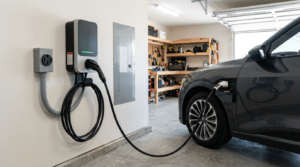
Level 2 chargers are the most popular choice for both residential and commercial use. They operate on a 240-volt connection, similar to large appliances like dryers or ovens.
A Level 2 system is often considered the best long-term investment for homeowners and business owners looking to balance speed, affordability, and compatibility.
Level 3 Chargers
- Charging Speed: Provides 60 to 100 miles of range in about 20 minutes.
- Best For: Commercial properties, retail centers, and fleet operators who need to minimize downtime.
- Cost: Highest installation and equipment expense, with specialized electrical requirements.
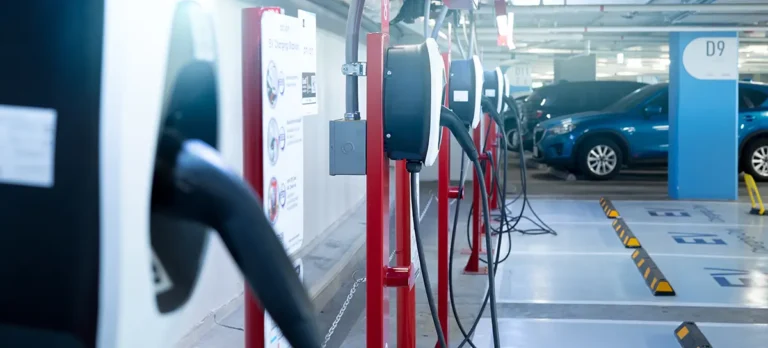
Also known as DC fast chargers, Level 3 EV chargers are the fastest and most powerful charging option. These units convert power to direct current, bypassing a vehicle’s onboard charger.
While DC fast chargers are usually unnecessary for single-family homes, they’re a game-changer for businesses that want to attract EV drivers and support high-volume charging.
5 Key Factors to Consider Comparing EV Charging Stations
- Charging Speed
- Compatibility
- Cost & Long-Term Value
- Location & Usage
- Professional EV Charger Installation
Charging Speed
Evaluate how quickly you need your vehicle or vehicles ready.
- A busy family with multiple EVs may benefit most from a Level 2 charger.
- A business with frequent visitors might consider a mix of Level 2 and DC fast chargers.
Compatibility
Check that your charger is compatible with your vehicle model. Most chargers work with all modern EVs, but some features may vary, such as smart charging or network connectivity.
Cost and Long-Term Value
The cost of EV charging station installation depends on your property’s existing electrical system. Working with a professional electrical services company ensures the system is installed correctly, safely, and with future upgrades in mind. Investing in the right station upfront can reduce long-term expenses.
Location and Usage
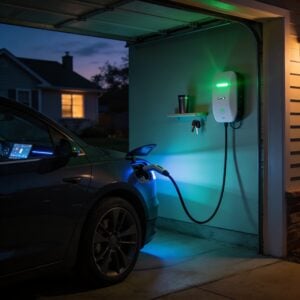
For homeowners, convenience is key. Installing a charger in your garage or driveway keeps charging safe and accessible.
For business owners, strategically placing chargers in customer or employee parking areas increases satisfaction and adds value to the property.
Professional EV Charger Installation
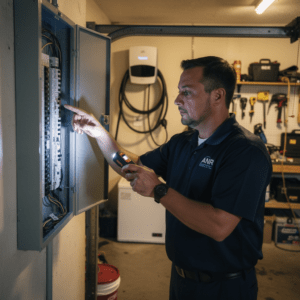
A licensed local electrician can help you determine the best placement, evaluate your electrical system, and ensure the installation meets code. Commercial and residential electrical services also provide peace of mind that your investment is safe and reliable.
Comparing EV Charging Stations: Frequently Asked Questions (FAQs)
- What’s better for home EV charging, tethered or untethered systems?
- Should I get a 3.6 kW or 7 kW home EV charger?
- Is a level 2 EV charger worth it?
What’s Better for Home EV Charging, Tethered or Untethered Systems?
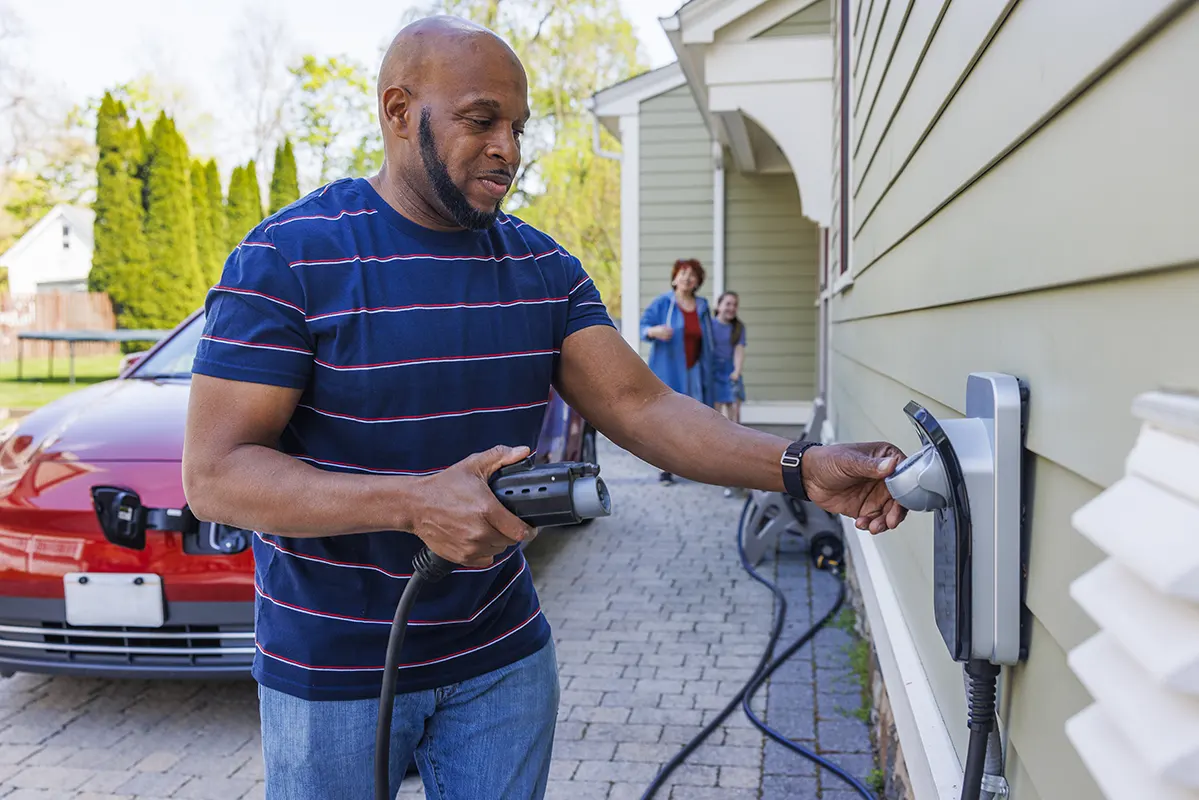
A tethered EV charger is usually more convenient because the cable is always ready, which reduces setup time. However, untethered chargers provide more flexibility if you want: a cleaner look, different cable lengths, or compatibility with various connector types.
The Bottom Line: For most homeowners, tethered chargers are preferred for daily ease of use, while untethered units are a better option if flexibility and aesthetics matter most.
Should I Get a 3.6 kW or 7 kW Home EV Charger?
A 3.6 kW charger provides around 12 miles of range per hour, while a 7 kW charger roughly doubles that, offering about 25 miles per hour. If you drive short distances and can leave your car charging overnight, a 3.6 kW system may be sufficient.
For households with longer commutes, multiple EVs, or less charging downtime, a 7 kW charger is the smarter choice because it cuts charging time significantly and offers more future-proofing. Most homeowners in the U.S. opt for 7 kW chargers for the added convenience.
Is a Level 2 EV Charger Worth It?
Yes, in most cases a Level 2 EV charger is worth the investment. Level 2 systems run on a 240-volt supply and are much faster than Level 1 chargers, which use standard household outlets.
For example, instead of waiting more than 24 hours for a full charge, Level 2 charging can complete the job in just a few hours.
The improved speed makes daily charging more practical, supports multiple drivers in the same household, and enhances home resale value by appealing to future EV owners.
Choose the Best EV Charging Station with ANR Electric
Selecting the best EV charging station comes down to understanding your daily driving habits, property setup, and long-term goals. From Level 1 chargers that meet basic needs to DC fast chargers designed for high-demand environments, there’s a solution for every household and business.
At ANR Electric, we specialize in EV charger installation across Northeast Ohio. Our team of experienced local electricians can help you compare options, choose the right fit, and handle every detail of the installation process so you can charge with confidence.
For personalized support in selecting the best EV charging station for the needs of your home or business, contact our team today.