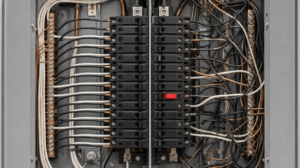
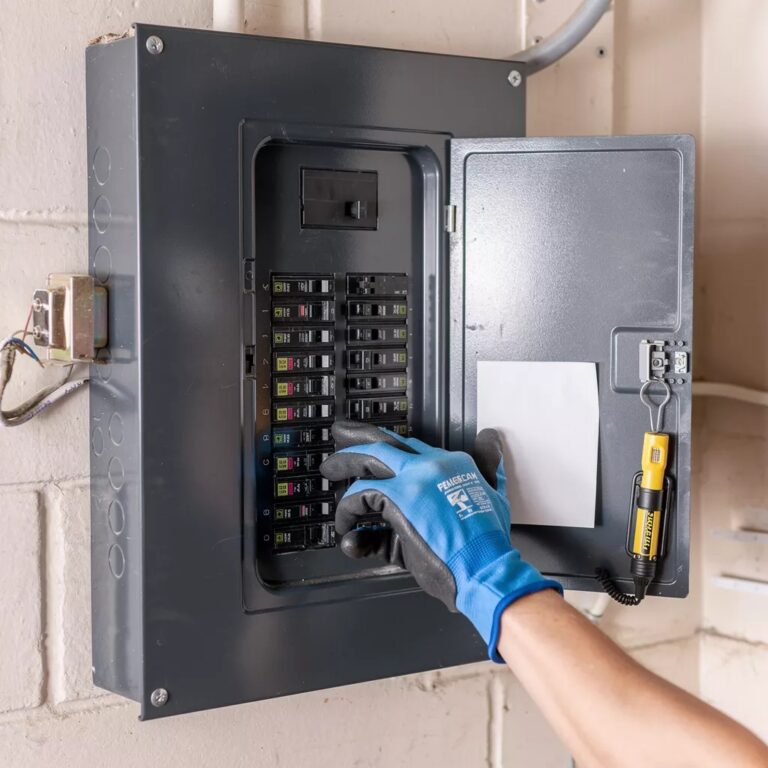
Your electrical panel—that metal box with breakers or fuses in your basement, garage, or utility room—is the heart of your home’s electrical system. And like a heart, when it struggles, every system in your home feels the impact.
With Northeast Ohio winter approaching, your electrical panel is about to face its biggest challenge of the year. Furnaces, space heaters, holiday lights, and shorter days mean higher electrical demands. If your panel is outdated, undersized, or failing, winter is when problems surface—often at the worst possible times.
At ANR Electric, we upgrade dozens of electrical panels throughout Akron, Canton, and surrounding areas each winter. The call usually comes after a problem has occurred: a cold house because the furnace circuit tripped, holiday lights that won’t stay on, or worse—burn marks and sparks signaling dangerous failures.
This guide will help you identify whether your electrical panel needs upgrading before winter arrives and why this investment protects both your home and family.
Warning Sign #1: Your Electrical Panel is 25+ Years Old (Or Still Uses Fuses)
What it means: Electrical panels have a lifespan, typically 25-40 years. Beyond that, internal components deteriorate, and the panel becomes unreliable and potentially dangerous.
Brands to Watch For:
Federal Pacific Electric (FPE) Panels:
- Manufactured primarily 1950s-1980s
- Known for breakers that fail to trip during overloads
- Linked to thousands of fires
- Should be replaced immediately—these are considered hazardous(Most insurance companies will not cover claims if these are installed)
Zinsco/Sylvania Panels:
- Common 1960s-1970s
- Breakers can fuse to bus bars, preventing proper tripping
- High failure rate
- Replacement recommended
Fuse Boxes:
- Standard before 1960s
- Limited capacity (typically 30-60 amps)
- Outdated safety standards
- Insufficient for modern homes
Why Age Matters for Akron Homes:
Many homes in Highland Square, Ellet, Firestone Park, and other established Akron neighborhoods were built in the 1950s-1970s. If the electrical panel hasn’t been upgraded, it’s operating beyond its design life.
Compounding factors in older homes:
- Original wiring may also need attention
- Panels weren’t designed for modern electrical loads
- Summit County’s humid summers and cold winters accelerate wear
- Aluminum wiring (common 1965-1973) may require special breakers
How to check your panel’s age:
- Open the panel door (don’t touch anything inside)
- Look for a manufacturing label or date stamp
- Note the brand name
- Take photos and send to ANR Electric if uncertain
Critical: If you see round fuses you screw in (like light bulbs) or Federal Pacific, Zinsco, or Challenger brand panels, it’s time for an upgrade.
Warning Sign #2: Frequent Tripped Breakers (Especially When the Furnace Runs)
What it means: When a breaker trips frequently, it’s doing its job—protecting your home from an overload. But if it’s happening regularly, you have an underlying problem.
Normal vs. Problem Tripping:
Normal (occasional) tripping:
- You plugged too many high-wattage items into one circuit
- A specific appliance has a fault
- You reset the breaker and everything works fine
Problem tripping:
- Same breaker trips multiple times per week
- Breakers trip when nothing has changed
- Lights dim or flicker when breakers trip
- Multiple breakers trip simultaneously
- Breaker feels hot or won’t reset properly
The Winter Connection:
When your furnace kicks on, it draws a surge of current—especially the blower motor. In an inadequate or failing panel:
- Voltage drops system-wide (lights dim)
- Accumulated load exceeds circuit capacity
- Breaker trips, leaving you without heat
Real-world scenario: A North Hill homeowner called ANR Electric after her furnace wouldn’t stay running. The furnace circuit kept tripping. Diagnosis: 60-amp panel trying to handle furnace + refrigerator + modern appliances. When the furnace blower started, it pushed total load beyond panel capacity. Solution: Panel upgrade, problem solved.
What to Do When Breakers Trip:
Immediate steps:
- Don’t force a breaker that won’t reset—this indicates serious problems
- Unplug devices on the affected circuit
- Reset the breaker once
- If it trips immediately again, call an electrician—you likely have a short circuit
When to upgrade:
- If total home load exceeds panel capacity
- If breakers are worn out or panel shows other warning signs
Warning Sign #3: You’re Using Multiple Space Heaters
What it reveals: If you’re running space heaters because certain rooms are cold, it might seem like a heating issue. Often, it’s an electrical capacity issue preventing your main heating system from running efficiently.
The Space Heater Load Problem:
Here’s the math:
- Typical space heater: 1,500 watts (12.5 amps)
- 15-amp circuit safe load: 12 amps
- Result: One space heater plus a few lights = tripped breaker
Running multiple space heaters:
- 3 space heaters = 37.5 amps
- If your whole house has 60-amp service, space heaters alone consume over 60% of capacity
- Add furnace, refrigerator, and lights, and you’re constantly at the edge
The Real Problem:
Space heaters use often masks inadequate electrical service. You’re essentially creating distributed heating because your panel can’t reliably support your HVAC system and modern electrical loads simultaneously.
Warning signs you’re undersized:
- Space heaters on different circuits cause problems elsewhere in the house
- Can’t run space heater and TV in same room without tripping breaker
- Lights dim throughout house when space heaters turn on
The Solution: Panel upgrades typically allow reliable furnace operation, proper circuit separation, and ability to run normal appliances without juggling loads.
Safety note: Space heaters are the leading cause of home heating fires. If your electrical system forces you to rely on space heaters, you’re increasing fire risk. A panel upgrade is a safety investment.
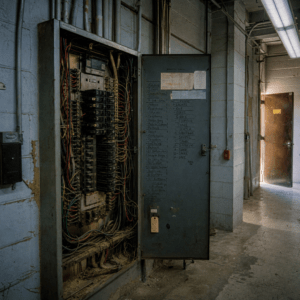
Warning Sign #4: Visible Warning Signs on the Panel Itself
What to look for: Some problems are visible without special equipment. Take a close look at your electrical panel (don’t remove the cover—just inspect what’s visible):
Danger Signs That Require Immediate Action:
🔥 Burn marks or discoloration:
- Black or brown marks around breakers
- Melted plastic smell
- Discoloration of the panel door
- This indicates overheating—call ANR Electric immediately
⚡ Rust or corrosion:
- Rust inside the panel
- Corrosion on breakers or bus bars
- Evidence of water damage
- Moisture and electricity are extremely dangerous—needs professional attention
🔊 Sounds:
- Buzzing or humming from the panel
- Sizzling or crackling sounds
- Clicking that isn’t normal breaker operation
- These sounds indicate loose connections or failing components
🔥 Heat:
- Panel is warm or hot to the touch (should be room temperature)
- Breakers feel hot
- Panel door is warm
- Overheating indicates serious problems—potential fire hazard
🔌 Physical damage:
- Breakers don’t stay in position (loose or wobbly)
- Panel door won’t close properly
- Missing blanks (open breaker slots without covers)
- Modifications or improvised repairs
Why These Problems Develop:
Basement panels in Akron homes:
- Summit County’s humid climate
- Basement flooding from heavy rains or snowmelt
- Poor ventilation
Garage panels:
- Temperature extremes (hot summers, cold winters)
- Vehicle exhaust fumes
- Moisture from snow on vehicles
Age and wear:
- Connections loosen over time
- Breakers wear out from repeated tripping
- Bus bars oxidize and develop high resistance
Document What You See: If you notice any warning signs, take photos (without touching anything), note any smells, check if breakers feel warm, and call ANR Electric for inspection.
Don’t wait: Visible problems with electrical panels rarely improve on their own. They indicate conditions that will worsen, especially under winter’s higher electrical demands.
Warning Sign #5: Your Panel Can’t Support Modern Electrical Needs
What it means: You might have a perfectly functional panel from a safety standpoint, but it simply lacks the capacity for how you live in 2025.
Signs You’ve Outgrown Your Panel:
Limited capacity:
- 60-amp or 100-amp service in a modern home
- Can’t install new appliances without exceeding capacity
- Can’t add circuits (panel is full)
Can’t install modern amenities:
- Want an electric vehicle charger (needs dedicated 50-amp circuit)
- Can’t add central air conditioning
- Pool or hot tub installation impossible
- Home addition requires electrical work
Juggling act:
- You’ve learned to never run certain appliances simultaneously
- “Don’t use the microwave while the dryer’s running”
- Strategic planning required for holiday cooking
What Modern Homes Require:
Electrical load growth over time:
1960s home (60-amp service):
- Few dedicated circuits
- Window A/C units
- Basic lighting and appliances
- Single TV
2025 home (200-amp service):
- Central HVAC
- Multiple computers, TVs, and devices
- High-efficiency appliances
- Home office equipment
- EV charging potential
- Smart home systems
Akron-Specific Considerations:
Climate needs:
- Air conditioning (rare in 1960s, standard now)
- Supplemental heating
- Dehumidifiers for humid Northeast Ohio summers
Home improvements:
- Finished basements with lighting and outlets
- Kitchen remodels with modern appliances
- Bathroom upgrades
- Outdoor living spaces with electrical service
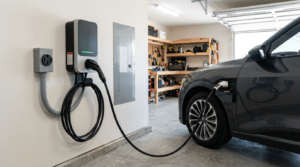
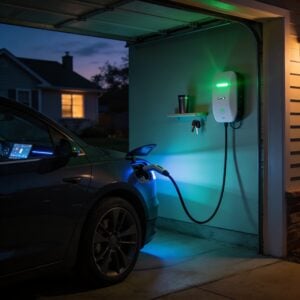
The EV Factor:
Electric vehicles are becoming common in Akron’s driveways. Level 2 home charging stations require 40-50 amp dedicated circuits and can’t be added to many older panels without exceeding capacity.
If you’re considering an EV: Check your panel capacity now. ANR Electric can assess whether your current panel can support EV charging or if an upgrade should be part of your planning.
What a Panel Upgrade Costs in Akron (2025)
Let’s talk numbers. Panel upgrade costs vary based on several factors.
What’s Included in Professional Installation:
✅ New electrical panel (breaker box) sized for your needs
✅ Labor for installation by licensed electricians
✅ Permit fees (required by Summit County building code)
✅ Inspection by local building authority
✅ Warranty on labor and materials
✅ Code compliance (NEC 2023 and local amendments)
What Affects Your Cost:
Panel size and features:
- 100-amp panel: Lower cost, sufficient for smaller homes
- 200-amp panel: Standard for most modern homes
- Specialty features (whole-house surge protection, smart breakers): Additional cost
Location and access:
- Basement or garage: Typical pricing
- Outdoors: May cost more due to weatherproofing
- Difficult access: Premium pricing
Existing conditions:
- Standard modern wiring: Base pricing
- Aluminum wiring: May need additional remediation
- Knob-and-tube wiring: Likely needs broader electrical upgrade
- Water damage or corrosion: May need additional repairs
Service entrance upgrade:
- Panel only (service entrance adequate): Lower cost
- Full service upgrade (panel + service entrance + meter): Higher cost
- Utility coordination needed: May require additional fees and time
Why DIY Panel Upgrades Aren’t Worth It:
Legal requirements:
- Licensed electrician required by Ohio law
- Permits must be pulled
- Inspections required
Safety risks:
- Working with main service (before the breaker) can be fatal
- Incorrect installation creates fire hazards
- Insurance may not cover DIY electrical fires
Resale issues:
- Unpermitted work must be disclosed
- Can complicate home sales
- May need to be redone by professionals anyway
Bottom line: Panel upgrades must be done by licensed professionals.
The Return on Investment: Why Panel Upgrades Pay Off
Immediate Benefits:
Safety:
- Eliminates fire hazards from outdated panels
- Proper circuit protection
- Code-compliant installation
Reliability:
- No more tripped breakers during winter
- Furnace runs properly
- Can use appliances without juggling loads
Capacity:
- Support modern electrical needs
- Ready for future additions
- Proper circuit distribution
Long-Term Value:
Home value:
- Updated electrical systems increase home value
- Required for many home sales
- Attractive to buyers (modern, safe electrical)
Insurance:
- Some insurers reduce premiums for updated electrical
- Easier to get coverage (some won’t insure homes with FPE or Zinsco panels)
- Better protection in case of claims
Energy efficiency:
- Modern panels support energy-monitoring systems
- Enable installation of efficient appliances and systems
- Support renewable energy integration
Cost avoidance:
- Prevents damage from electrical fires
- Eliminates need for emergency electrician calls
- Prevents appliance damage from power fluctuations
Real Cost of NOT Upgrading:
Minor inconveniences that add up:
- Emergency electrician calls
- Lost food from power outages
- Inconvenience and stress
Major problems:
- Electrical fire damage
- Injuries from electrical shock
- Total home loss
Opportunity costs:
- Can’t install EV charger (annual fueling savings lost)
- Can’t finish basement (potential home value increase delayed)
- Can’t upgrade HVAC (higher energy bills continue)
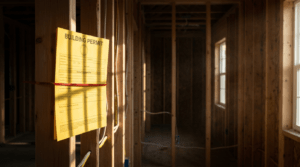
Permitting Requirements in Akron and Summit County
All electrical panel upgrades require permits.
The Permit Process:
- Licensed electrician applies for permit (ANR Electric handles this)
- Permit issued by local building department
- Work completed according to code
- Inspection scheduled after installation
- Final approval from building inspector
Why Permits Matter:
- Safety: Ensures work meets code and is inspected
- Legal: Required by law—doing work without permits can result in fines
- Insurance: Unpermitted electrical work can void insurance coverage
- Resale: Unpermitted work must be disclosed and can complicate sales
What Inspectors Check:
- Panel properly sized for home
- Correct breaker types and ratings
- Proper grounding and bonding
- Code-compliant installation
- All circuits properly labeled
- No double-tapped breakers
- Proper clearances maintained
ANR Electric handles all permitting and inspections—it’s included in our service.
Choosing the Right Panel for Your Home
Panel Size:
100-amp service:
- Suitable for: Small homes (under 1,500 sq ft), no central air, no major appliances
- Not recommended if planning any additions or upgrades
200-amp service:
- Suitable for: Most modern homes, standard appliances, central HVAC, potential EV charging
- Recommended for most Akron area homes
400-amp service:
- Suitable for: Large homes, multiple HVAC zones, multiple EVs, extensive automation
- Usually not necessary for typical residential
Panel Features to Consider:
Standard vs. advanced breakers:
- Standard thermal-magnetic: Most common, reliable, cost-effective
- AFCI breakers: Arc-fault protection (required by code for many circuits)
- GFCI breakers: Ground-fault protection (required for certain locations)
- Smart breakers: Monitor energy use, remote control (emerging technology)
Whole-house surge protection:
- Protects expensive electronics and appliances
- Recommended for Akron area (thunderstorms and utility fluctuations)
Panel location:
- Keep in existing location when possible (lower cost)
- Relocate if: Current location has access issues, moisture problems, or is inconveniently located
Questions to Ask Your Electrician
When getting quotes for panel upgrades:
About the Company:
- Are you licensed and insured in Ohio?
- Will you pull permits and schedule inspections?
- What warranties do you offer?
- Can you provide references from similar projects?
About the Project:
- What size panel do you recommend and why?
- Is my existing service entrance adequate or does it need upgrading?
- Do I have any aluminum wiring that needs remediation?
- Will all circuits be properly labeled?
- Do you include whole-house surge protection?
About Costs:
- What’s included in your quoted price?
- Are permits and inspections included?
- What’s not included that I should budget for?
Red flags:
- Reluctance to pull permits
- Significantly lower prices than other quotes (cutting corners somewhere)
- Can’t provide proof of licensing and insurance
- Pressure for immediate decision
- Unwillingness to explain recommendations
Your Next Steps: Getting Started with ANR Electric
Winter is coming, and your electrical panel needs to be ready. Here’s your action plan:
Step 1: Assess Your Situation
Do you have any of these warning signs?
- Panel is 25+ years old (or Federal Pacific/Zinsco brand)
- Frequent tripped breakers, especially with furnace use
- Relying on space heaters
- Visible problems (burn marks, rust, heat, sounds)
- Can’t support modern electrical needs
If you answered yes to any: Your panel likely needs attention.
Step 2: Schedule a Professional Evaluation
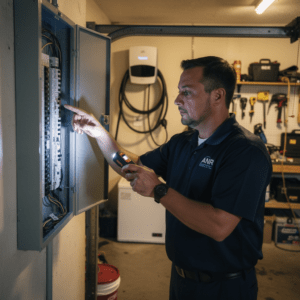
ANR Electric offers comprehensive electrical panel assessments:
What we’ll do:
- Inspect your current panel (brand, age, condition)
- Measure electrical load and capacity
- Check for safety hazards
- Assess wiring condition
- Evaluate service entrance
- Provide detailed recommendations
- Give you a clear quote with no hidden fees
Step 3: Plan the Upgrade
Best timing:
- Now (November): Before peak winter electrical demands
- Avoid: Mid-winter during extreme cold (though we work year-round)
- Consider: Coordinating with other electrical work
What to prepare:
- Clear access to panel area
- Discuss timing that minimizes inconvenience
- Plan for short power outage during installation
Step 4: Schedule Installation
Once you’ve decided to move forward:
- ANR Electric handles permits and scheduling
- We coordinate inspection
- You get a reliable, code-compliant electrical system
Don’t Wait for an Emergency
Here’s the reality: Most people call about panel upgrades after something goes wrong. A breaker won’t reset. The house loses power in the cold. There’s a smell or sparking.
Emergency electrical work costs more, causes stress, and happens at the worst times.
Smart homeowners do panel upgrades proactively—before winter demands expose weaknesses in outdated systems.
The Bottom Line
Your electrical panel might be out of sight in the basement or garage, but it shouldn’t be out of mind. As Northeast Ohio winter approaches, that box of breakers becomes critical infrastructure for your family’s comfort and safety.
Key takeaways:
- Panels over 25 years old should be evaluated (some brands require immediate replacement)
- Frequent tripped breakers indicate inadequate capacity or failing components
- Visible problems (burn marks, rust, heat, sounds) require urgent professional attention
- Modern homes need modern electrical capacity—60-amp or 100-amp service is usually insufficient
- Panel upgrades are investments in safety, reliability, home value, and peace of mind
The investment is worth it: Safety, reliability, home value, and peace of mind during winter storms and holiday celebrations.
Ready to ensure your electrical panel is ready for winter? Contact ANR Electric today for a professional assessment. We’ve been serving Akron and Northeast Ohio homeowners with expert electrical services you can trust.
📞 Call ANR Electric: 330-644-4454
🌐 Schedule Online: anrelectricco.com
📍 Proudly Serving: Akron, Canton, Medina, Cuyahoga Falls, and all of Northeast Ohio
Licensed, Insured, and Ready to Help | Emergency Service Available 24/7